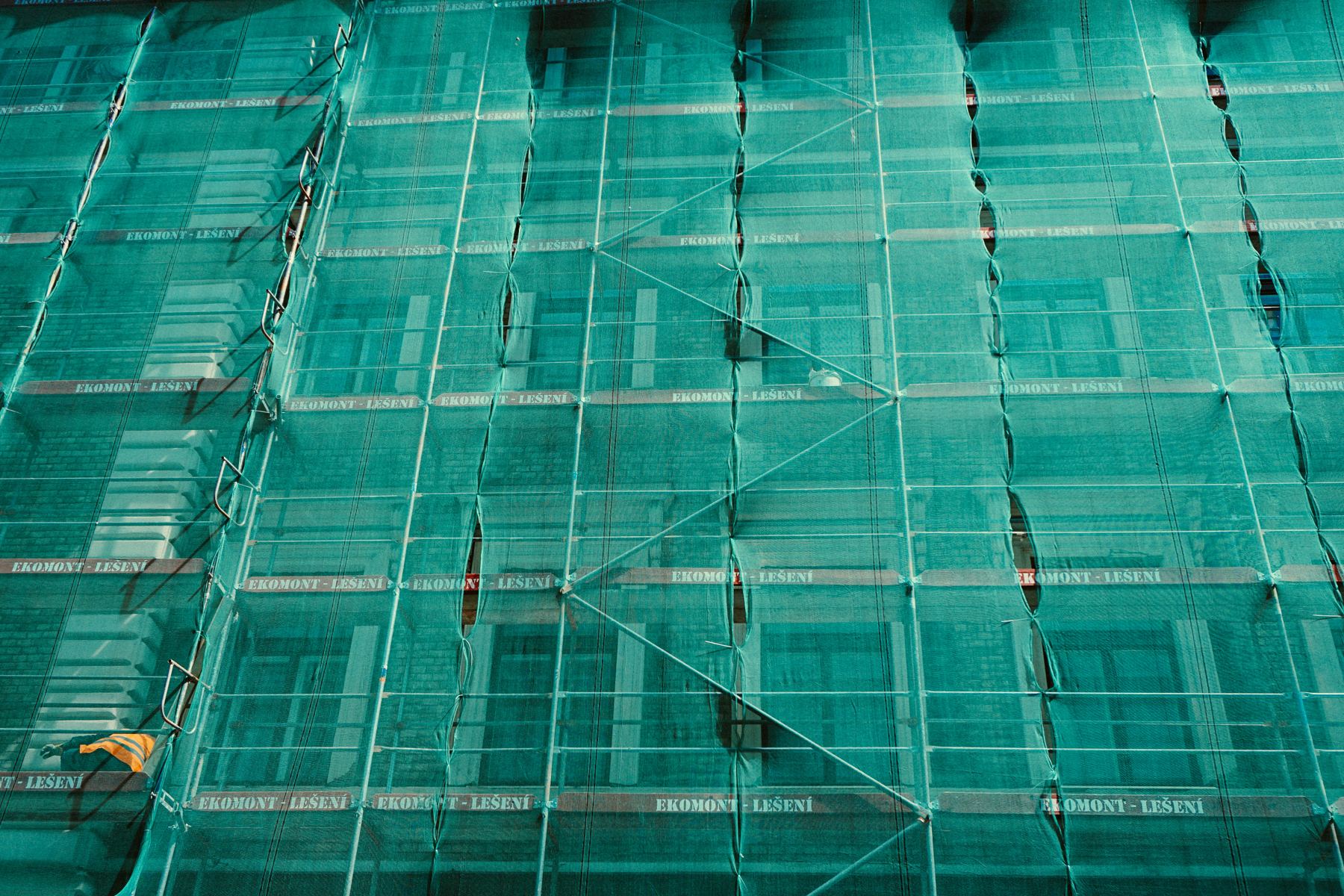
What is FISP?
The Facade Inspection & Safety Program, commonly associated with Local Law 11, requires periodic inspection of exterior walls and appurtenances for buildings greater than six stories in New York City. The program is administered by the NYC Department of Buildings.
Who performs the inspection?
The inspection and report are performed by a Qualified Exterior Wall Inspector, or QEWI. The QEWI evaluates facade conditions, determines the filing classification, and submits the report through DOB NOW: Safety.
Facade condition classifications
- Safe: the exterior wall does not require repair to remain safe during the reporting period.
- Safe With a Repair and Maintenance Program: conditions are safe at filing but require repair or maintenance within the stated timeframe.
- Unsafe: conditions present a hazard and require immediate protective measures, notification, repair, and follow-up filing.
What the inspection may include
The QEWI reviews exterior walls and appurtenances such as masonry, parapets, balconies, fire escapes, railings, signs, window systems, copings, cornices, and attached elements. Close-up inspection requirements and probes depend on the applicable rules and building conditions.
What owners should prepare
- Prior FISP reports and amended reports
- Repair drawings, permits, and contractor closeout records
- Facade photographs and previous investigation reports
- Information about leaks, falling material, or recurring repairs
- Access planning for required close-up observations
- Current ownership and filing information
From inspection to repair
A strong facade program does more than file a report. It connects observed conditions to repair priorities, access needs, design details, contractor scope, and documentation for the next filing. Organized records also help identify recurring conditions over multiple cycles.
When separate facade engineering may be needed
Water intrusion, movement, cracked masonry, displaced elements, corrosion, failed anchors, curtain wall distress, and repeated patching can require investigation beyond the periodic inspection. The scope may include probes, testing coordination, structural analysis, repair design, or forensic review.