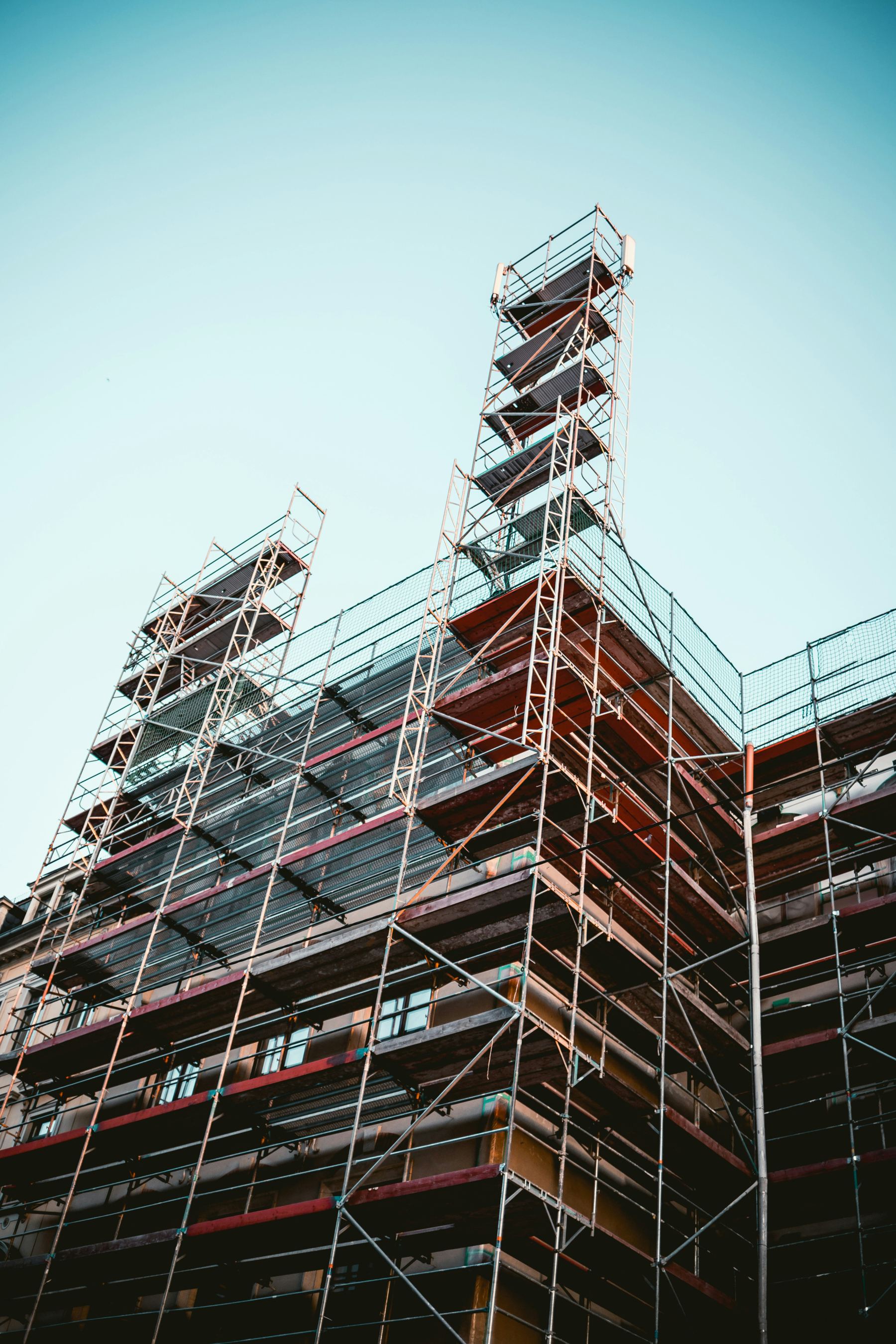
Transparency note: This is an illustrative project approach based on a common NYC scope. It does not identify a specific client, property, or completed INNOVIC project.
Starting condition
An owner reports recurring leaks and visible cracks near window openings and masonry transitions. Previous patching has not resolved the condition, and the project team needs to understand whether movement, failed seals, corrosion, anchorage, or water pathways are involved.
Primary engineering questions
- Where are cracks, displacement, staining, corrosion, and open joints located?
- Do patterns align with supports, shelf angles, openings, or material transitions?
- Are observed conditions isolated or repeated across elevations?
- What immediate public-safety measures, if any, are appropriate?
- What probes, access, testing, or monitoring are needed?
- How should repairs address cause rather than only appearance?
Review sequence
- Collect prior reports, repair records, leak history, drawings, and photographs.
- Map visible conditions by elevation and building level.
- Coordinate close-up access where required.
- Identify probable mechanisms and information gaps.
- Define targeted probes, testing, or monitoring.
- Develop repair priorities, details, and follow-up observations.
Useful deliverables
The project may need a condition report, photo log, elevation markups, repair recommendations, probe drawings, repair details, bid scope, or forensic report. The deliverable should distinguish urgent hazards, near-term repairs, maintenance items, and unresolved questions.
Key investigation principleA durable repair responds to the cause of distress. Replacing sealant or patching a crack without understanding movement, drainage, corrosion, or anchorage can allow the condition to return.